
The Hidden Cost of Food Insecurity in Shelters
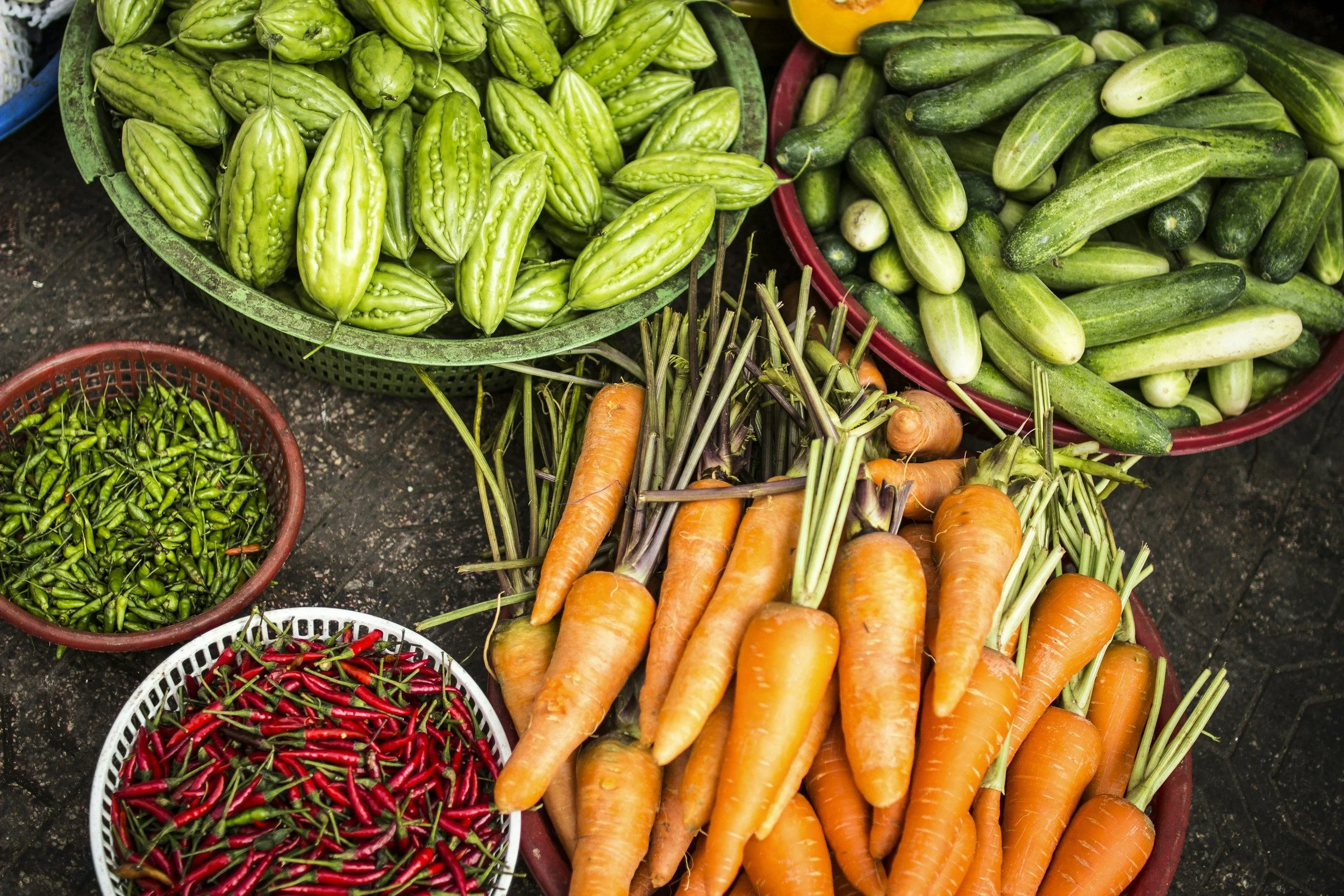
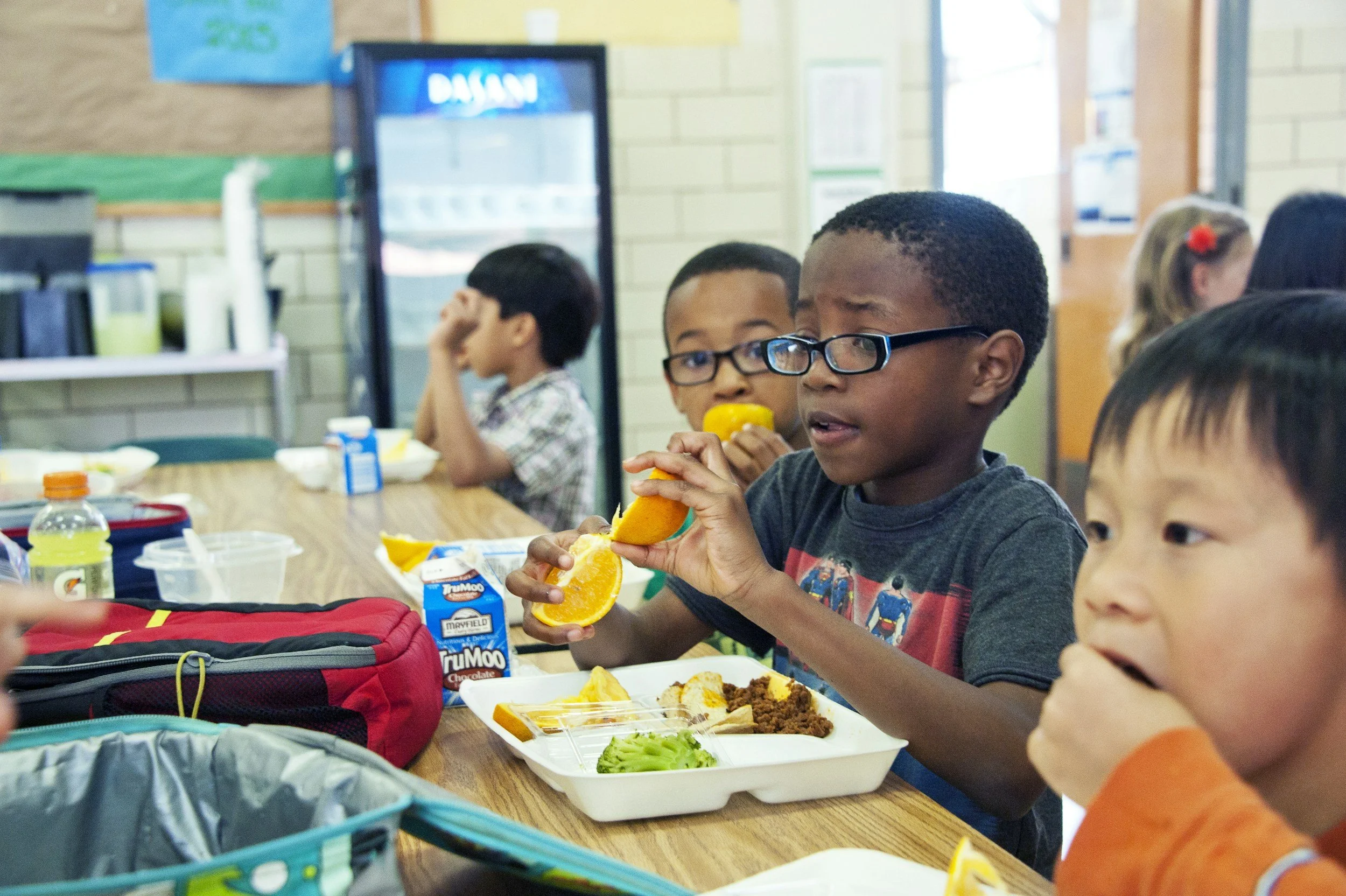
When people think about shelters, they often think first about a safe place to sleep. And while shelter is essential, safety is made up of many things—including something as basic and necessary as food. A warm meal. Snacks for children after school. Access to fresh groceries. The ability to make choices about what to eat. These may seem like everyday things, but in a shelter setting, they play a much bigger role than many realize. Food is not just nourishment. It is comfort, stability, dignity, and an important part of feeling secure.
Why food matters in times of crisis
When individuals and families arrive at shelter, they are often carrying stress, exhaustion, uncertainty, and fear. In the middle of so much change, even the smallest routines can make a difference. Having reliable access to food helps create a sense of normalcy.
It means:
Children know they will have breakfast before school
Parents do not have to worry about how they will feed their family that day
Residents can focus on next steps instead of immediate hunger and scarcity
Without this security, every other challenge becomes harder to manage.
Food and safety are deeply connected
It can be easy to separate “basic needs” from “support services,” but in reality, they are closely linked. When someone is worried about where their next meal is coming from, it affects:
Their physical well-being
Their stress levels
Their ability to make decisions
Their sense of control and dignity
Food insecurity adds another layer of crisis to an already difficult situation. A shelter should not only be a place of refuge—it should be a place where immediate needs are met so healing and planning can begin.
More than meals
Providing food in a shelter means much more than putting something on a plate.
It means stocking snacks for children.
It means culturally familiar items that help residents feel comforted.
It means fresh ingredients, not just the bare minimum.
It means ensuring that residents can access food throughout the day, not only at set meal times.
These details matter because they remind residents that they are cared for—not just accommodated.
The growing cost behind the scenes
As food prices continue to rise, shelters are feeling the strain. The cost of groceries, fresh produce, pantry staples, school snacks, baby items, and special dietary foods adds up quickly. Meeting the daily nutritional needs of many families requires ongoing resources and careful planning.
What was once manageable now stretches budgets further than ever before. Yet the need remains constant. Every resident who comes through our doors deserves to feel that this basic necessity is available to them without question.
How your donation helps
Your support helps us provide:
Nutritious meals for residents
Healthy snacks for children and youth
Essential pantry and grocery items
Comfort foods and culturally responsive meal options
Everyday food access that reduces stress for families
A donation toward food is a donation toward stability.
It helps create one less thing for a family to worry about in a time of crisis.
Help us nourish safety
Safety is not built on walls alone. It is built in the everyday moments that help someone breathe a little easier: a child opening the fridge after school, a parent knowing dinner is covered, a family sharing a meal without added worry. These moments matter. With your support, we can continue making sure that food remains a source of comfort, dignity, and security for every resident in our care.